Understand
See the situation more clearly.
- Research and evidence reviews
- Needs assessments and evaluation
- Understanding lived experience
- Identifying gaps
- Clarifying the question before deciding on the response

Where belonging begins
Better outcomes in later life begin with better questions.
Grounded in doctoral research. Built for organisations ready to respond.

People are living longer

More years do not automatically mean better ones. Demographic change raises questions that no single service, building or policy can answer on its own:
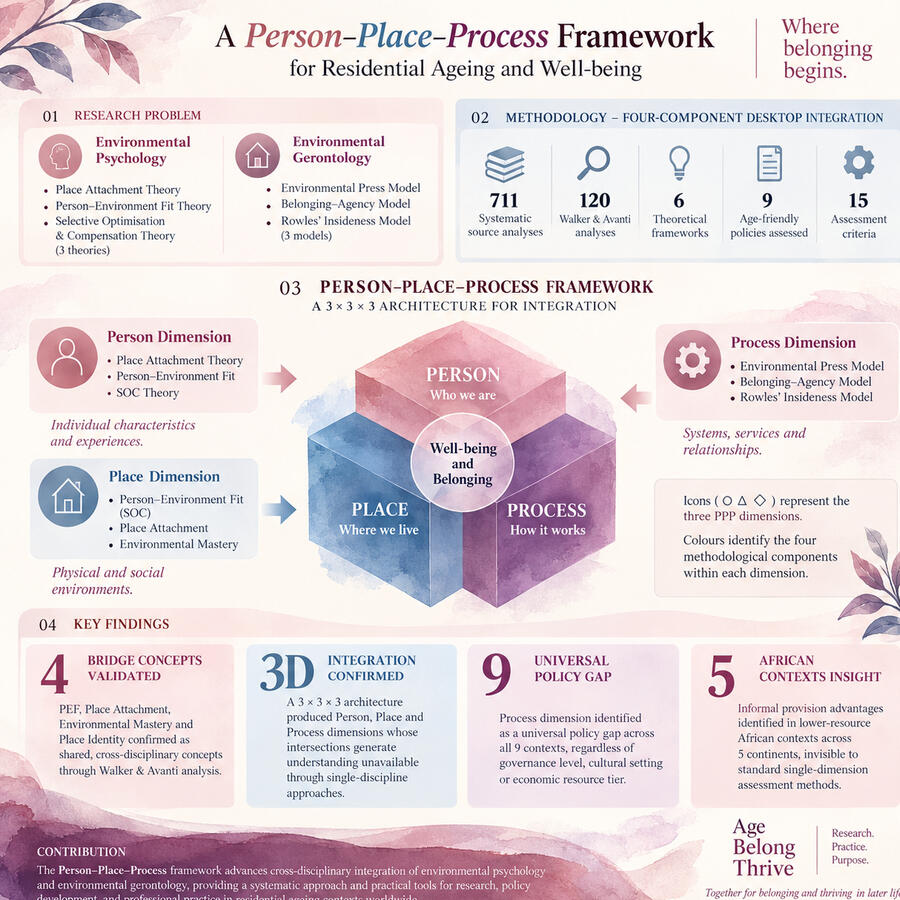
The Person, Place, Process framework provides a way of seeing those connections.
The framework

The individual experience of ageing: identity, capacity, history, expectations, relationships, needs and preferences.

Physical and social environments together: home, neighbourhood, community, transport, public space and social connection. The settings that enable or constrain participation and belonging.

The systems, routines, services, relationships and everyday interactions through which life is actually lived. Not administration, but what happens around and between people and places.
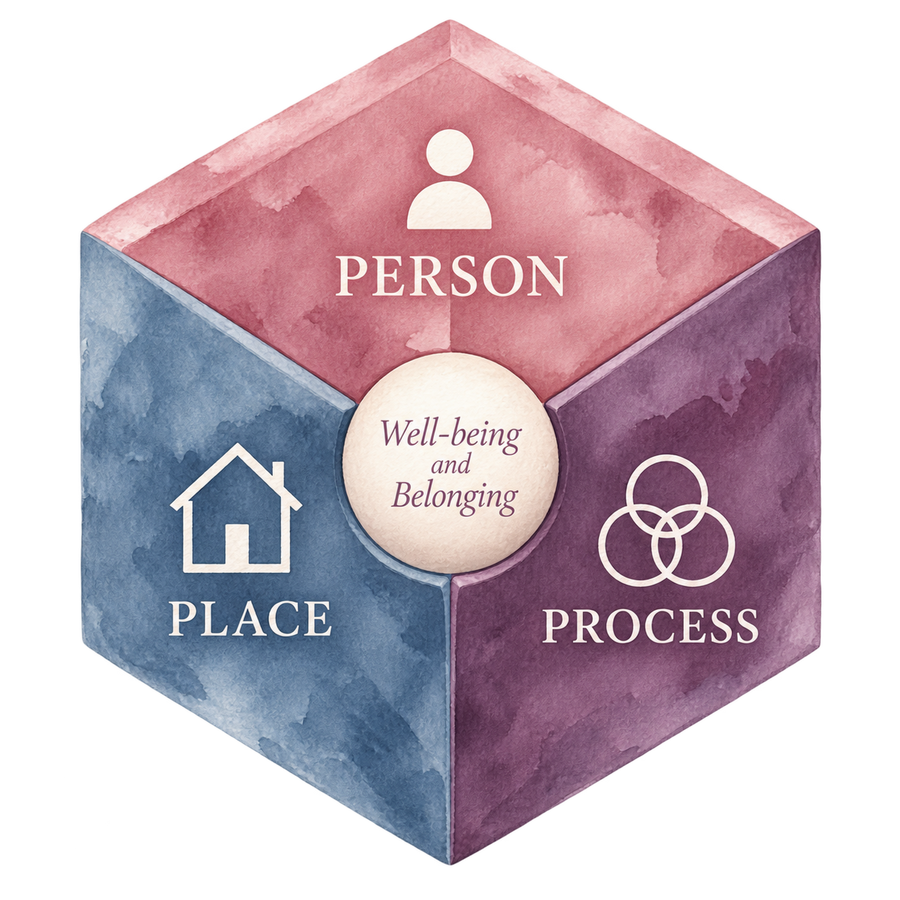
None of these acts alone. Ageing well emerges through the relationship between them.
From thinking to practice
IDEA → EVIDENCE → APPLICATION
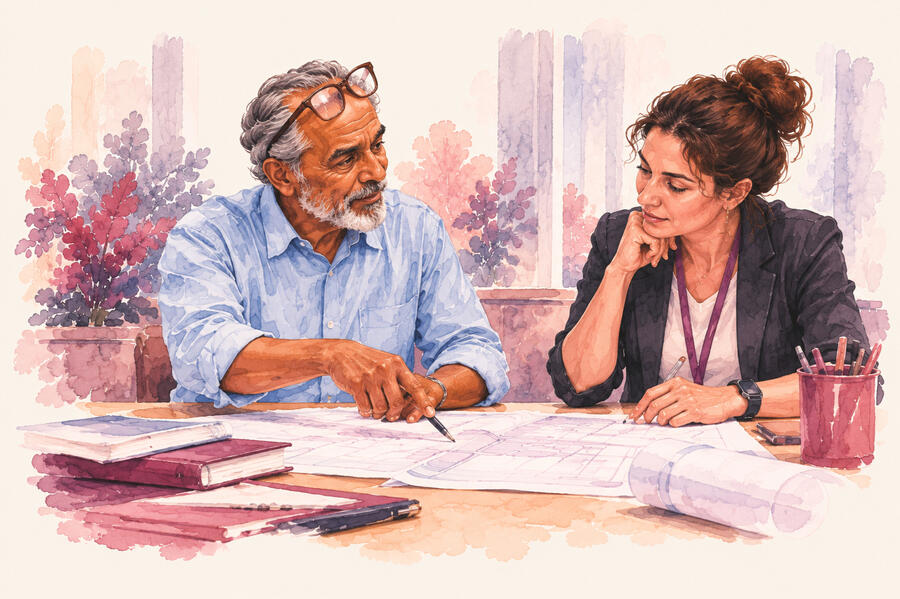
Before assuming a programme has failed or a facility is under-used, it is worth asking a fuller set of questions.
Sometimes the answer changes very little. Sometimes it changes the whole direction of a project, because the real barrier was never where anyone was looking. Either way, it is worth knowing before committing further time and resources.
About
“What does it actually take for people to age well in the places where they live?”
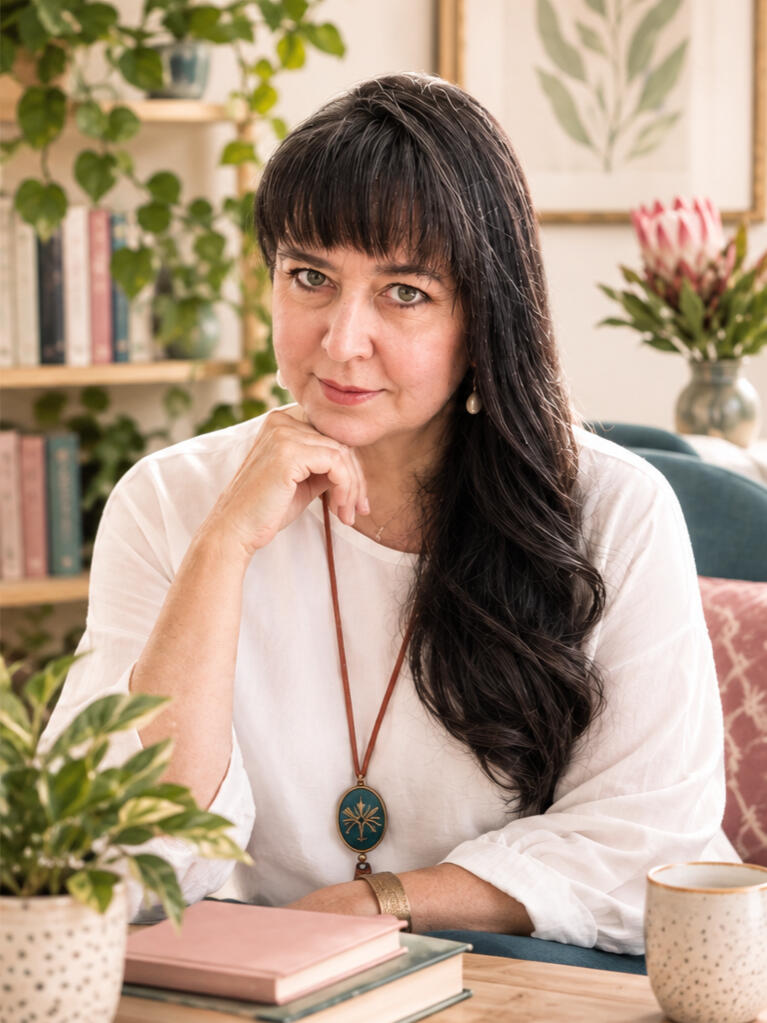
That question is where Age Belong Thrive begins. Anelien brings doctoral research together with more than twenty years of experience in programme development, training and applied work.
Her years inside programmes, curricula and quality assurance built a habit of noticing the gap between what a system is designed to produce and what people actually experience. Her doctoral research gave that instinct a rigorous foundation: a way of understanding ageing through the relationship between Person, Place and Process.
Her practice showed why research needs to travel. Research without practice stays theoretical. Practice without research repeats its own assumptions. Age Belong Thrive exists to carry that thinking into the organisations whose decisions shape later life.
Anelien works as a researcher, a practitioner and a facilitator, and treats the three as feeding one another. Facilitation is where research and practice are tested against a room of people who will say, one way or another, whether an idea actually holds.
What she brings to an organisation is not a checklist. It is a way of asking what is actually happening for the people affected, before deciding what to build or fix. Sometimes that changes very little about the eventual plan. Sometimes it changes almost everything.
Insights
Longer essays and reflections are published on the Age Belong Thrive Substack.
Essay
Dr Anelien Venter
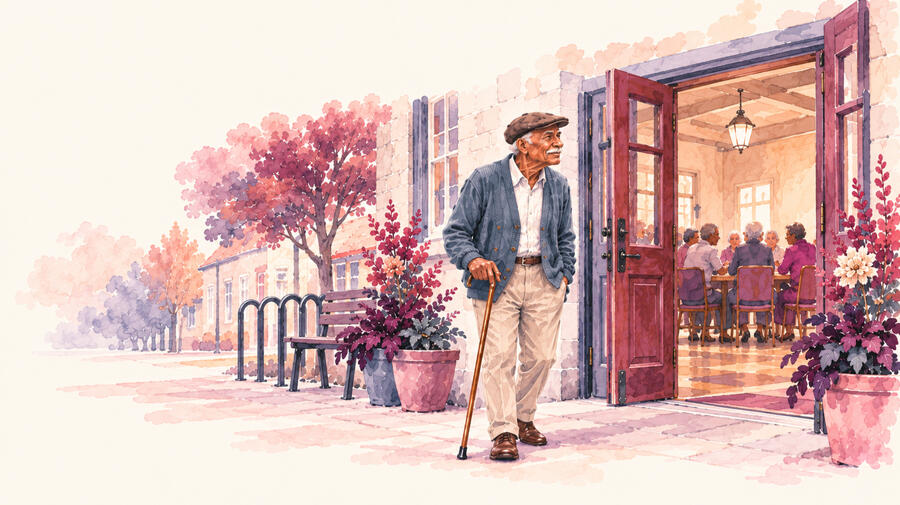
A familiar place can become difficult to use without a single thing being moved.
The path is still there. The steps are the same height. The meeting still starts at the same time. On paper, nothing has changed.
But the person arriving has had a different year.
Perhaps walking takes more energy. Perhaps the friend who always came along has moved away. Perhaps a familiar routine now requires more planning. Or perhaps the person is ready for something new, while the opportunities around them remain much the same.
These are everyday possibilities, not the story of a particular client. They point towards a question that sits at the heart of my work: what are we missing when we assess a place without considering the person using it and how that relationship changes?
Ageing does not happen in a person alone.
We grow older in homes, neighbourhoods and communities. We encounter services, transport, invitations, expectations and decisions. We develop familiarity with particular places. We learn where to pause, whom to ask and how to make ordinary life work.
That familiarity can be a resource. A place that looks unremarkable to someone visiting for the first time may hold years of practical knowledge and personal meaning for someone who lives there.
My doctoral research developed the Person, Place, Process framework to examine residential ageing and well-being through these relationships.
Person asks who we are and how we experience growing older. Our identities, capacities, resources and histories matter. So do our preferences and the choices we want to make.
Place asks where ageing happens. The physical environment matters, alongside the relationships, meanings and social life associated with it.
Process asks how life unfolds around us. It brings change over time into view: how we adapt, how relationships develop, and how arrangements respond when the fit between a person and a place changes.
None of these acts alone. Ageing well emerges through the relationship between them.
Consider a community group with a regular meeting place. Imagine that someone who once attended every week starts coming less often.
It would be easy to decide that their interest has faded. It might have. But there are other questions worth asking before accepting that explanation.
Has the journey become harder? Has the meeting time changed? Does the person still enjoy what happens there? Is there someone they feel comfortable contacting? Has an informal arrangement that made attendance possible quietly disappeared?
And what does the person themselves say?
Looking through Person, Place, Process does not give us the answer in advance. It helps us ask a more complete set of questions. Sometimes the response may involve changing a place. Sometimes it may mean changing an arrangement. Sometimes it may mean respecting that a person's interests have changed rather than treating attendance as the only desirable outcome.
This matters for organisations because the conditions supporting participation can change after a programme opens, a development is completed or a service is introduced.
A decision that worked well at one point may need revisiting. Providing something is a beginning. Understanding how it is experienced is continuing work.
That does not make the original effort worthless. It gives us a constructive place to begin improving it.
For me, this is the value of asking, “What are we missing?” The question invites curiosity about the relationship between an intention and everyday life. It leaves room for things that are working, things that have changed and things that were never visible from the planning table.
Think of one place or programme you know well. What has changed for the people who use it since it was designed? And how would you find out?